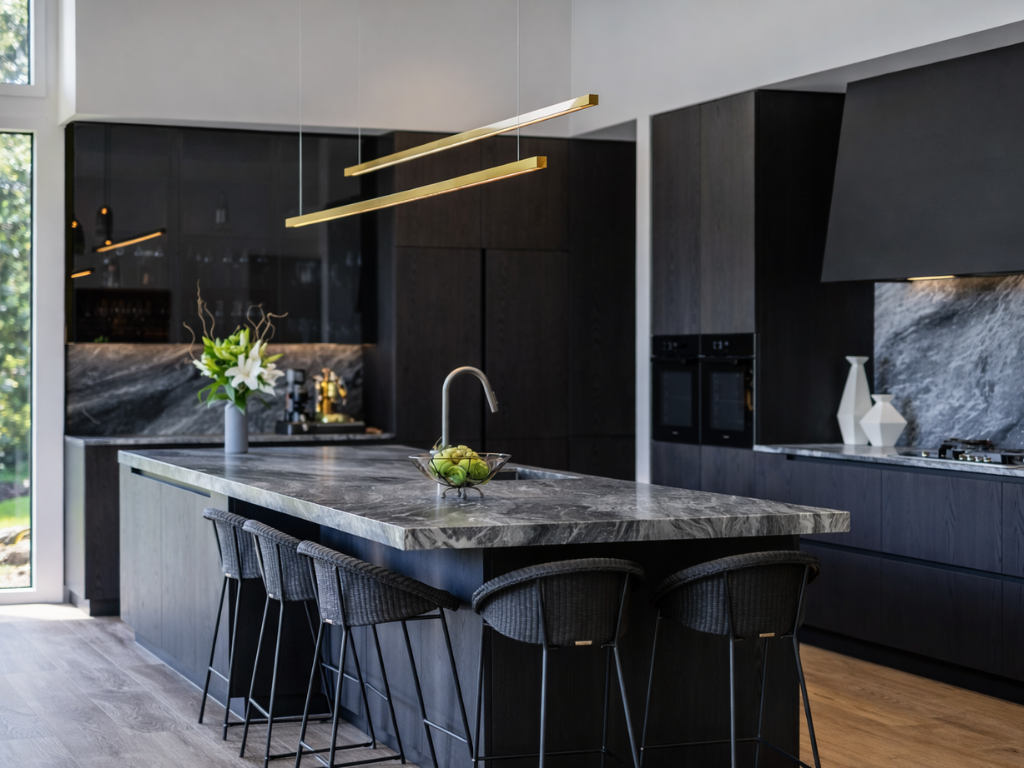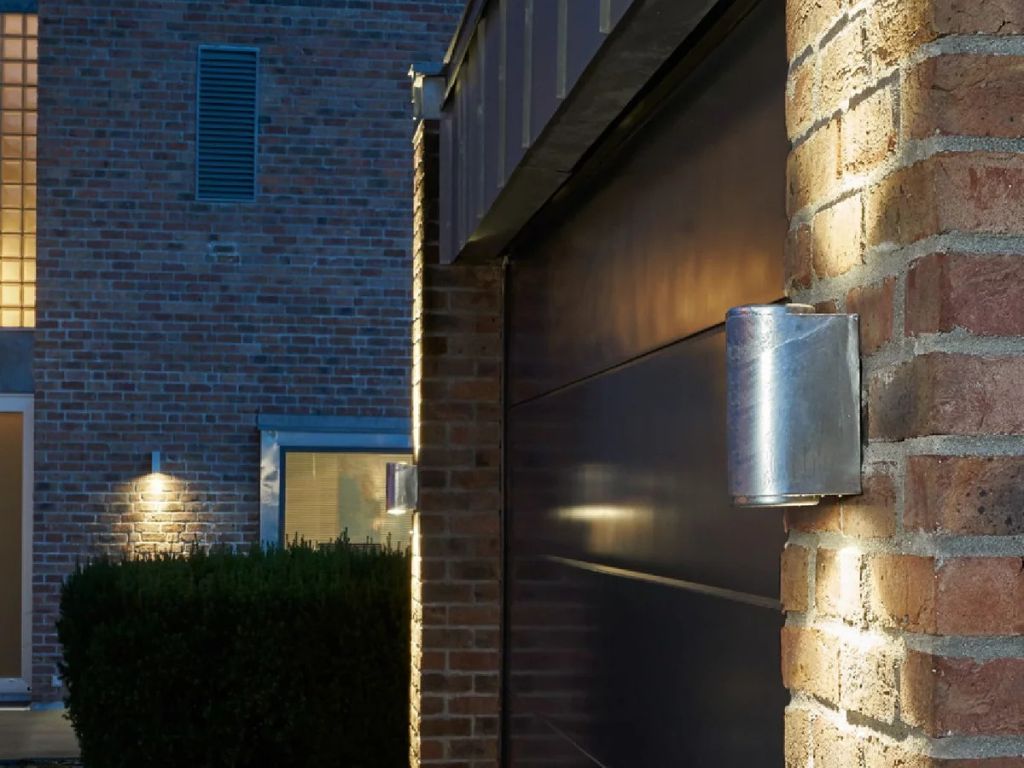
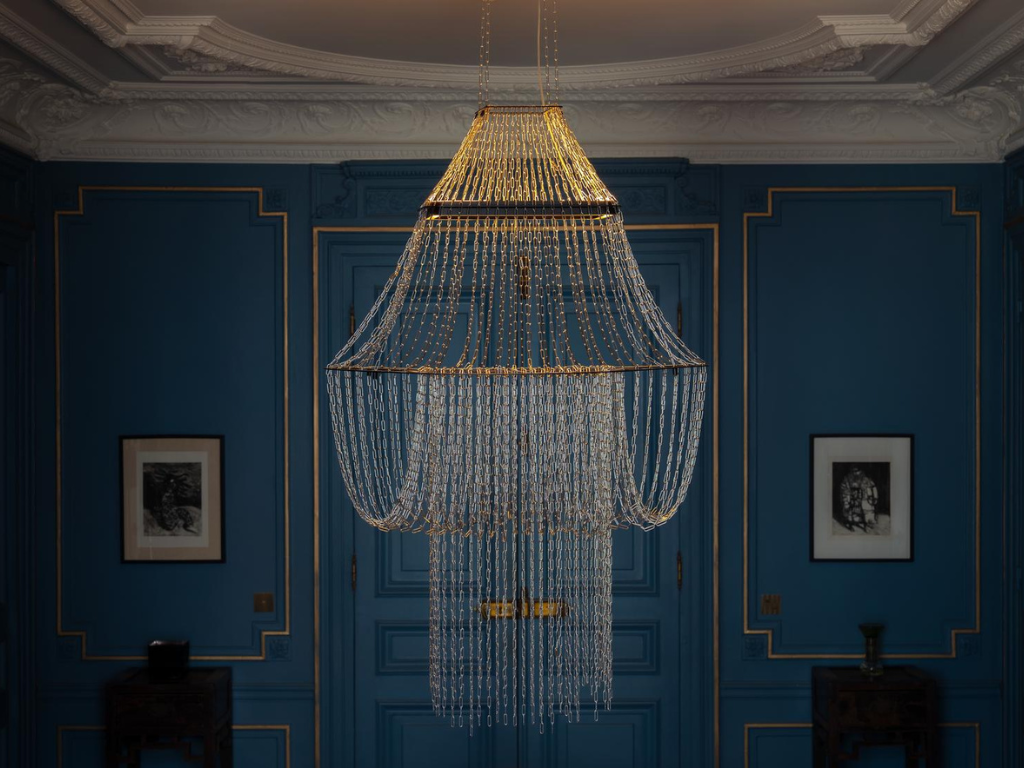
Founded in Paris in 2008, DCW éditions has built one of the most distinctive catalogues in contemporary lighting by doing something unusual: going back to find what was already good, and making it available again with the same care it deserved the first time.
The name DCW references the initials of the three founders, Desbordes, Cazer, and Winkler, who started the company with a single reissue: the Lampe Gras, a 1921 articulated task lamp by engineer Bernard-Albin Gras. It was the first articulated lamp in history, used by architects, engineers, and draftsmen across Europe, and later praised by Le Corbusier. It had been out of production for decades before DCW brought it back.
That first decision established the DCW approach. Not nostalgia for its own sake, but a recognition that some designs were resolved in ways that haven't been improved on, and that making them well again is a legitimate form of design authorship. The collections that followed, including the Mantis, Here Comes the Sun, and a growing body of contemporary collaborations, all share that same seriousness about what a fitting is for and how it should be made.
Social Light stocks 38 DCW éditions pieces across the key collections. Here's how those collections are organised and what they're suited to.
Lampe Gras
The original DCW reissue and still the most recognised series in the catalogue. Bernard-Albin Gras designed the lamp in 1921 for industrial and professional use: a fully articulated arm with a counterbalanced head that holds its position precisely wherever you place it. The form was purely functional, and that function is exactly what makes it look right in almost any context.
The Lampe Gras has been used by architects, artists, and designers across a century, which means it carries significant cultural weight without needing to announce it. In a domestic setting, it brings a kind of confident restraint that's hard to manufacture from scratch. It simply looks like it belongs.
The most versatile wall light in the Gras range. A compact, fully articulated arm with a conical shade, available in multiple colour combinations. Suits studies, bedrooms, and living rooms where you want directional, adjustable light with strong design presence. From $980.
A fixed-arm wall light with the same precision detailing as the adjustable models. A cleaner profile suited to hallways and bedside positions where you want the Gras aesthetic without the full articulation. From $840.
A longer-arm wall light that provides extended reach. Well suited to reading positions beside a bed or chair, and to architectural spaces where the arm length is part of the visual composition. From $1,510.
The ceiling-mounted version of the Gras family. An articulated arm from a ceiling rose, providing directional overhead light that can be repositioned as the room's use changes. A strong choice for kitchens, studios, and architectural living spaces. From $1,730.
Mantis
The Mantis was designed in 1951 by British sculptor and engineer Bernard Schottlander as a personal exploration of balance and asymmetry, made in homage to Alexander Calder's mobiles. It was never widely produced in Schottlander's lifetime. DCW éditions reissued it in 2013 and it has become one of the defining pieces in the contemporary lighting canon.
The Mantis is a counterbalanced arm light: a weighted stem with a small shade at the end, held in equilibrium without visible mechanical support. It looks light because it is balanced, not because it's small. The proportions are precise and the result in a room is a fitting that appears to hover rather than sit. It's particularly striking in bedrooms and reading spaces where the shade is at exactly the right height for the purpose without feeling architectural or serious about itself.
The wall-mounted version, and one of the most specified pieces in the DCW range at Social Light. The counterbalanced arm extends from a small wall plate, with a cylindrical shade angled downward. Works beautifully as a bedside light, particularly in pairs. $1,280.
A smaller-scale version of the BS5, with the same balanced proportions in a more compact form. Well suited to narrower bedside positions, hallways, and spaces where the full BS5 arm length would feel too generous. $1,040.
Here Comes the Sun
Designed by Bertrand Balas in 1970, Here Comes the Sun is a ceiling fitting with a circular arrangement of folded metal arms radiating from a central point. When unlit it reads as a geometric wall or ceiling sculpture. When lit, the folded surfaces catch and redirect the light in a way that's warm and atmospheric rather than purely functional.
DCW éditions acquired the rights to reissue it through what they describe as a fortunate meeting with Balas. The design had been largely unavailable since its original production run. It now sits in the DCW catalogue as one of the most visually distinctive pieces in the range, available in four diameter sizes.
The smallest in the series at 175mm diameter. Works well in a compact space or as part of a grouped installation. $790.
250mm diameter. A well-proportioned single fitting for a hallway, bathroom, or bedside wall position. $1,170.
350mm diameter. A strong presence in a living room or dining space, either as a single ceiling fitting or as a statement wall light. $1,710.
The largest in the series at 450mm. Genuinely architectural in scale. Best suited to double-height spaces, large living rooms, or anywhere the fitting needs to hold its own against significant volume. $2,620.
Contemporary Collaborations
Alongside its reissues, DCW éditions works with contemporary designers to develop new pieces that share the same design values: resolved form, honest materials, and a clear sense of purpose. Several of these are among the most architecturally considered pieces in the Social Light range.
A wall-mounted interpretation of the Here Comes the Sun geometry, scaled and proportioned specifically for wall placement. The folded metal construction catches light in the same sculptural way as the ceiling version. From $1,140.
Six small pendant shades suspended from a central ceiling rose, each on individual cables at varying heights. The arrangement creates a composed, architectural chandelier effect without the mass of a traditional fitting. A strong choice for double-height spaces and stairwells. $3,410.
The three-shade version of the In the Air series. Scaled for dining rooms and living spaces where the six-shade version would overpower the ceiling. $2,530.
A bold architectural wall light with a strong geometric form. Designed by Ilia Potemine, the ISP has a presence that suits statement positions: entranceways, living room feature walls, and architectural commercial spaces. From $3,050.
A flowing, wing-like pendant form with a distinctive profile. The Seagull brings organic movement to the DCW range, which is predominantly geometric. Works well as a single statement pendant in a dining room or open living space. $4,250.
The wall-mounted version of the Seagull, bringing the same organic silhouette to a vertical surface. Suits living rooms and bedrooms where you want something with sculptural presence without the weight of a large pendant. $2,090.
A substantial linear pendant with a geometric frame and multiple light sources. The NL12 suits large dining tables, commercial spaces, and architectural interiors where scale is part of the brief. $3,450.
A softly curved wall light with a fabric diffuser that gives a warm, diffused glow. The Plume brings a quieter presence to the DCW range and works well in bedrooms and living spaces where softer ambient light is the priority. From $720.
Why We Stock DCW Éditions
The Social Light collection is selective. We don't carry a brand simply because it's well known or widely available. DCW éditions earns its place in the range because the collection has real depth: different families with different characters, genuine design history behind each one, and a standard of manufacture that holds up over time.
The Lampe Gras and Mantis in particular sit in the category of fittings that have already proven themselves across decades and across very different interior contexts. They don't need to be on trend because they predate the concept. For NZ homes where the brief is considered and long-term rather than seasonally driven, that's a meaningful quality.
Browse all DCW Éditions at Social LightSee DCW Éditions in Person
A selection of DCW éditions pieces will be on display at our showroom at Residium, 165 The Strand, Parnell from August. If you'd like to discuss a specific piece or get advice on placement for a project, our team is happy to help.
Get in touch Browse the collectionWhere is DCW éditions based and who founded it?
DCW éditions is based in Paris and was founded in 2008 by Desbordes, Cazer, and Winkler, whose initials form the DCW name. The company was founded with the aim of reissuing significant historical lighting designs while also collaborating with contemporary designers on new work that shares the same values of resolved form and honest materials.
What is the Lampe Gras?
The Lampe Gras was designed in 1921 by French engineer Bernard-Albin Gras as a fully articulated task lamp for professional use. It is considered the first articulated lamp in history and was widely used by architects and designers of the period, including Le Corbusier. DCW éditions reissued it in 2008 as the founding piece of the brand and it remains one of the most recognised designs in the contemporary lighting catalogue.
What is the Mantis lamp and who designed it?
The Mantis was designed in 1951 by British sculptor and engineer Bernard Schottlander as an exploration of balance and asymmetry, made in homage to Alexander Calder's mobiles. It was reissued by DCW éditions in 2013. The lamp is counterbalanced so that the shade appears to float without visible mechanical support, which gives it a distinctive presence in a room. The Mantis BS5 wall light is one of the most consistently specified pieces in the DCW range at Social Light.
Where can I buy DCW éditions lighting in New Zealand?
DCW éditions is available through Social Light, both online at sociallight.co.nz and in person at the Social Light showroom at Residium, 165 The Strand, Parnell, Auckland. Social Light stocks 38 DCW éditions pieces across the Lampe Gras, Mantis, Here Comes the Sun and contemporary collections.
What style of home does DCW éditions suit?
DCW éditions suits a wide range of interiors, but the collection is particularly well suited to homes where considered, long-term design is the brief rather than trend-led styling. The Lampe Gras and Mantis work well in contemporary, minimalist and architectural interiors. The Here Comes the Sun series suits spaces where a sculptural element is wanted at ceiling or wall level. The contemporary collaborations including the Seagull and ISP suit bolder, more expressive briefs.