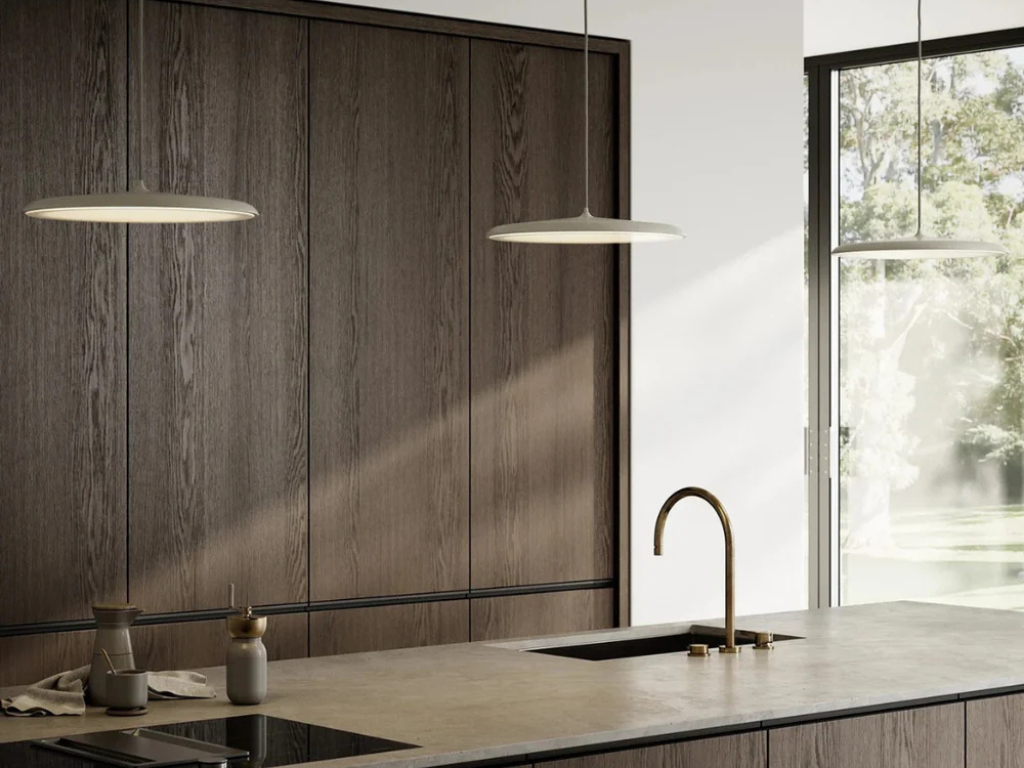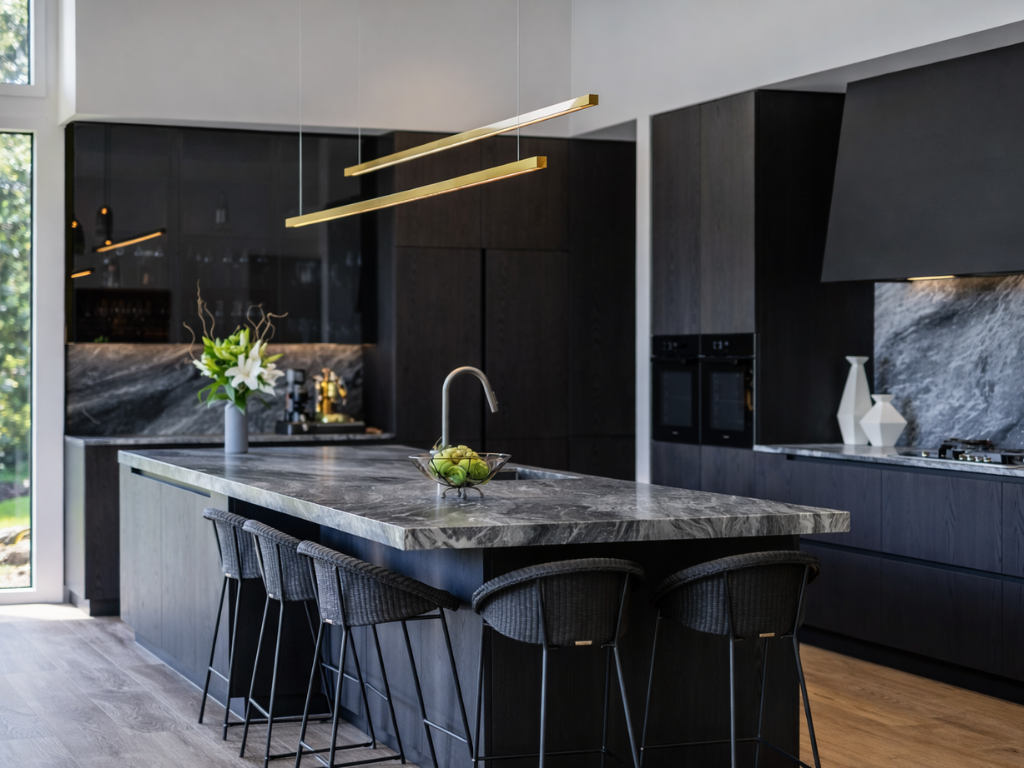

Most bathrooms in New Zealand are lit by soley by downlights. It works, technically. But it leaves faces shadowed at the vanity, makes the room feel flat, and misses an opportunity to create a space that actually feels good to be in.
Bathroom lighting doesn't need to be complicated. It does need to be intentional. This guide covers every zone in a NZ bathroom, from the vanity to the shower, so you can make the right decisions before your electrician is on site.
Why Bathroom Lighting Is Worth Getting Right
The bathroom is one of the most used rooms in the house, and one of the most underlit. People spend real time in there, getting ready in the morning, winding down at night. The quality of the light shapes how that feels.
Good bathroom lighting does three things. It provides practical, task-focused illumination where you need it. It creates warmth and atmosphere that makes the space feel considered. And it layers those two things together so the room works at 6am and at 8pm.
Done well, a well-lit bathroom feels like a boutique hotel. Done poorly, it feels like a staff toilet.
Understanding IP Ratings for Bathroom Lighting in NZ
Before you choose a single fitting, you need to understand IP ratings. In New Zealand, bathrooms are divided into electrical zones, and different zones require different levels of moisture protection.
IP stands for Ingress Protection. The number tells you how resistant a fitting is to dust and water. For bathrooms, the relevant ratings are:
IP44 is the minimum required for areas near showers, baths and basins. It protects against water splashing from any direction. IP65 offers a higher level of protection and is suitable for more exposed positions.
As a general rule: any fitting within 600mm of a water source should be IP44 or higher. Your registered electrician will confirm exact zone requirements for your specific bathroom layout.
All fittings in the Social Light bathroom-rated collection meet the appropriate IP requirements for NZ residential use.
Zone 1: Vanity Lighting
The vanity is the hardest-working lighting position in the bathroom. It needs to light faces clearly, without shadow, without glare.
The most common mistake is relying on a ceiling light above the mirror. Overhead lighting casts shadows downward across the face. It makes the under-eye area dark, exaggerates shadows around the nose and chin, and makes tasks like applying makeup or shaving genuinely difficult.
The better approach is to place wall lights either side of the mirror, at approximately eye level (around 1.5 to 1.6 metres from the floor). This positions the light source where it matters most, illuminating the face from both sides with even, flattering coverage.
If your bathroom layout only allows for one position, a single fitting above the mirror is better than nothing, but two flanking the mirror will always outperform it.
For the warmest, most flattering vanity light, choose 2700K - 3000K. It is soft, accurate for skin tones, and creates the kind of calm atmosphere that makes a bathroom feel intentional rather than functional.
Browse bathroom-rated wall lightsZone 2: Shower Lighting
Inside the shower enclosure, you need an IP65-rated ceiling fitting at minimum. The focus here is practical: enough light to see clearly, without glare, from a fitting that can handle sustained moisture exposure.
A recessed downlight with a diffused face is a clean, low-profile option that integrates well architecturally. Avoid exposed bulb fittings inside an enclosed shower, both for safety compliance and for the quality of light.
Outside the shower zone but still within the broader wet area, IP44-rated fittings are appropriate.
Zone 3: General Ambient Lighting
Every bathroom needs a base layer of ambient light. This is the background illumination that makes the room readable, fills in shadows, and provides soft, general coverage when you don't need task-specific brightness.
A ceiling light is the standard solution. In a smaller bathroom, one well-placed fitting is often enough. In a larger or open-plan ensuite, you may need two, or you may layer ambient light with the other zones so that multiple fittings work together.
The key is choosing a ceiling fitting that produces diffused, warm light rather than a tight downward beam. Frosted glass diffusers, ceramic shades and fabric pendants all scatter light in a way that feels calm rather than clinical.
Keep the colour temperature consistent across all fittings in the room. Mixing 2700K and 4000K in the same bathroom creates a visual tension that is hard to name but immediately noticeable.
Browse ceiling lightsZone 4: Freestanding Bath Lighting
If your bathroom includes a freestanding bath, this is a moment to add something considered. A wall light positioned near the bath creates a secondary light layer that makes the space feel genuinely luxurious, and means you aren't bathing under a harsh overhead ceiling light.
The fitting doesn't need to be directly above or beside the bath. Even a wall sconce on an adjacent wall, positioned to throw light softly toward the space, changes how the zone feels entirely.
This is where wall lights in warm metals, ceramic finishes or diffused glass make real sense. Materials that age well and look better under warm light, rather than fittings that feel purely utilitarian.
Browse wall lightsHow to Layer Bathroom Lighting
Layering light means using more than one source, at more than one height, serving more than one purpose. In a bathroom, it typically means:
Ambient light from the ceiling, providing general coverage. Task light from wall lights flanking the mirror, serving the vanity. Accent or atmosphere light from a wall sconce near the bath or in a corner, adding warmth and depth.
You don't need all three in every bathroom. A smaller bathroom with a single vanity might only need ambient and task. A larger ensuite benefits from all three.
The principle is the same regardless of scale: no single light source should do all the work. Distributing light across heights and zones creates a bathroom that feels finished.
Colour Temperature: What to Choose for a Bathroom
Colour temperature is measured in Kelvin (K). For bathrooms, the choice usually sits between 2700K and 3000K.
2700K is warm. It is the colour of a lit candle or incandescent bulb. It flatters skin tones, creates a calm atmosphere, and works well for bathrooms where you want a spa-like quality.
3000K is slightly cooler and brighter. It is still warm by most standards, but feels crisper. It suits bathrooms where you want a cleaner, more energising feel, particularly in a larger family bathroom used in the morning.
Avoid going above 3000K in a residential bathroom. Anything higher starts to read as cool and clinical, and it will work against the warmth of your materials, tiles and fixtures.
If in doubt, go warmer. You can always add brightness with extra fittings. You cannot undo the coldness of the wrong colour temperature.
Common Bathroom Lighting Mistakes to Avoid
- A single overhead light as the only source. It flattens the room and shadows the face at the vanity.
- Choosing fittings without checking the IP rating. Not all wall lights are bathroom-safe. Always confirm before purchasing.
- Mixing colour temperatures across fittings. Inconsistency is immediately noticeable, even if the cause isn't obvious.
- Positioning vanity lights above the mirror only. Flanking the mirror at eye level will always outperform overhead placement.
- Choosing cool white bulbs for a space meant to feel calm. If the atmosphere matters, the colour temperature needs to support it.
Ready to Plan Your Bathroom Lighting?
If you're renovating or building in New Zealand and want bathroom lighting that works properly, the Social Light bathroom-rated collection is a good place to start. Every fitting has been selected for design quality, NZ compliance, and performance in moisture-prone environments.
Shop bathroom-rated lightingWhat IP rating do I need for bathroom lighting in NZ?
IP44 is the standard minimum for areas within 600mm of a water source, including near showers and basins. IP65 is required for fittings inside shower enclosures. Your electrician will confirm the exact requirements for your layout.
Where should vanity lights be positioned?
Either side of the mirror at approximately eye level (1.5 to 1.6 metres from the floor) gives the most even, shadow-free illumination. Above-mirror placement is a secondary option if side placement isn't possible.
What colour temperature is best for bathroom lighting?
2700K is the most flattering and widely recommended for bathrooms. It creates a warm, calm atmosphere and works well with most NZ tile, stone and timber palettes. 3000K is a reasonable alternative if you prefer a slightly crisper feel.
Can I use a pendant light in a bathroom?
Yes, provided it has the appropriate IP rating for the zone where it will be installed. Always confirm with your registered electrician before installation.
Do I need more than one light in a bathroom?
In most cases, yes. A single ceiling fitting can provide ambient light, but combining it with task lighting at the vanity dramatically improves both function and atmosphere.